
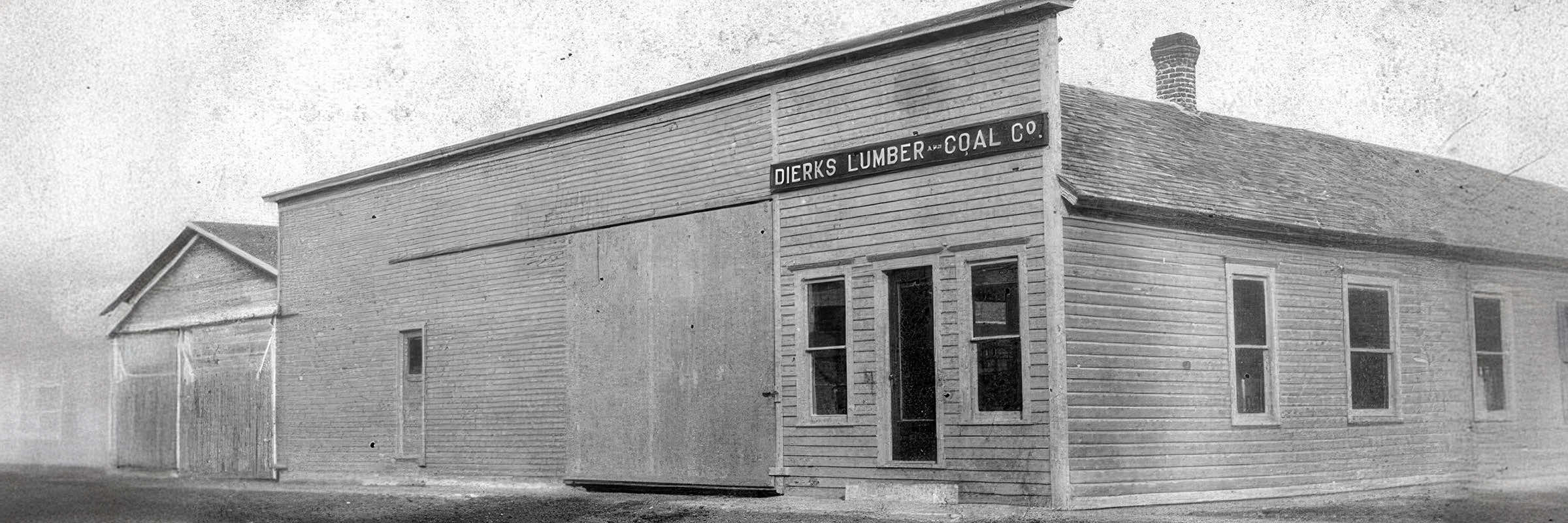
A Legacy Built by Community
Howard County’s story is not tied to one single industry or era. The county has moved through periods of agricultural production, timber expansion, rail growth, and later manufacturing, each one leaving a visible mark on local communities. These economic shifts changed how families worked and where businesses clustered, but they also reinforced the importance of local problem-solving and strong civic networks. In the late nineteenth and early twentieth centuries, peach growing became one of the county’s most recognizable agricultural industries, helping connect Howard County to broader regional markets and giving the area a distinct place in Arkansas farm history.
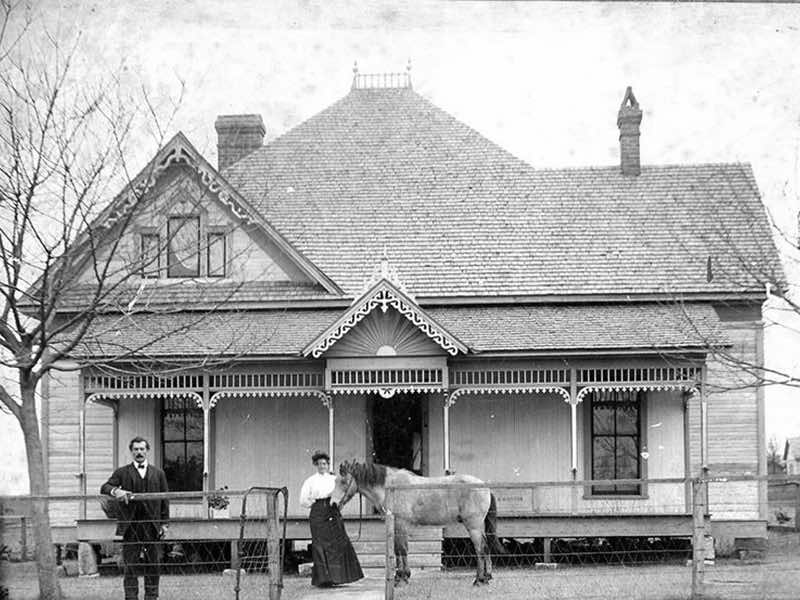
Public life grew around county institutions, downtown corridors, and community organizations that provided continuity through change. Even as population and employment patterns evolved over the twentieth century, residents continued to invest in shared spaces, local traditions, and regional partnerships. Howard County’s heritage also reaches much deeper than its settlement era: near Nashville, the Nashville Sauropod Trackway revealed one of the most significant dinosaur track sites ever documented and is often described as possibly the largest sauropod trackway in the world. That continuity of place, from prehistoric landscapes to orchard rows and courthouse squares, helps explain why Howard County still balances historic character with a practical, forward-looking approach to growth.